
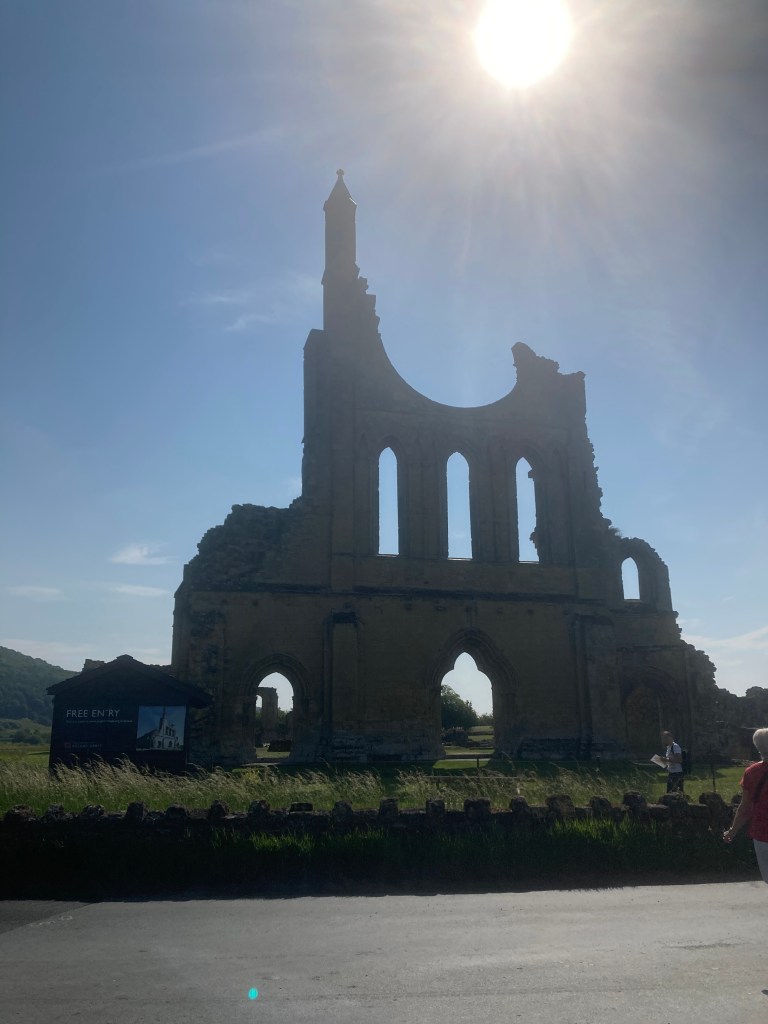
I’m close to “churched out”. But I like this photo. This is Byland Abbey, founded in 1134, absorbed by the Cistercians in 1147, and then digested by Henry the VIII and his Dissolution of the Abbeys in 1539. The site was granted to William Pickering, my 13th great-grandfather.
Buried at the abbey are: Mabel de Clare (d. 1204), my 23rd great-grandmother; maybe Roger de Mowbray (d. 1188), 24th g-grandfather, though he died in the Second Crusade so it seems unlikely his body made it back; William de Mowbray, (d. 1224), 22nd g-grandfather and one of the executors of Magna Carta; and Joan of Lancaster (d. 1349 of the plague), and my 18th g-grandmother. Too much?
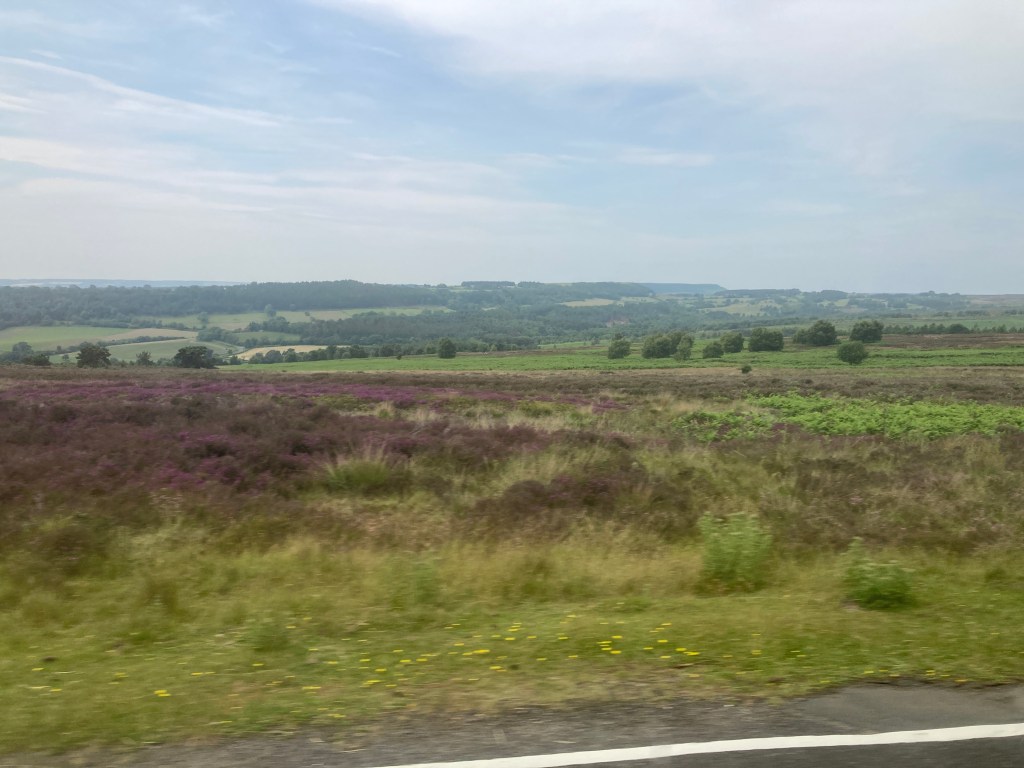
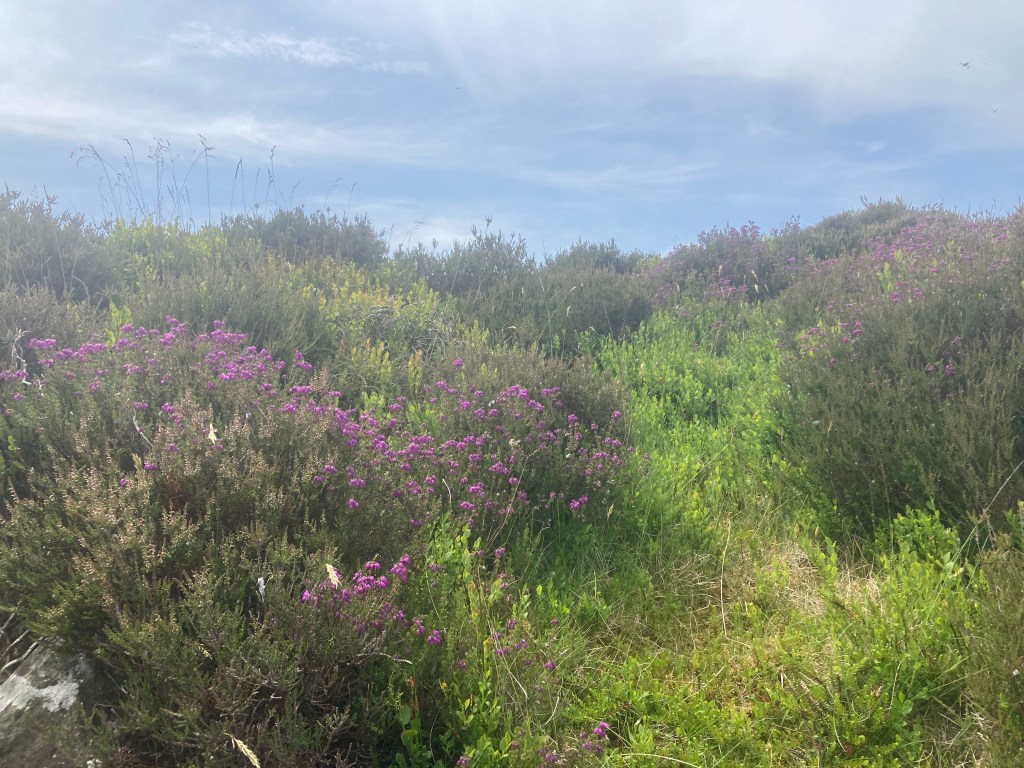
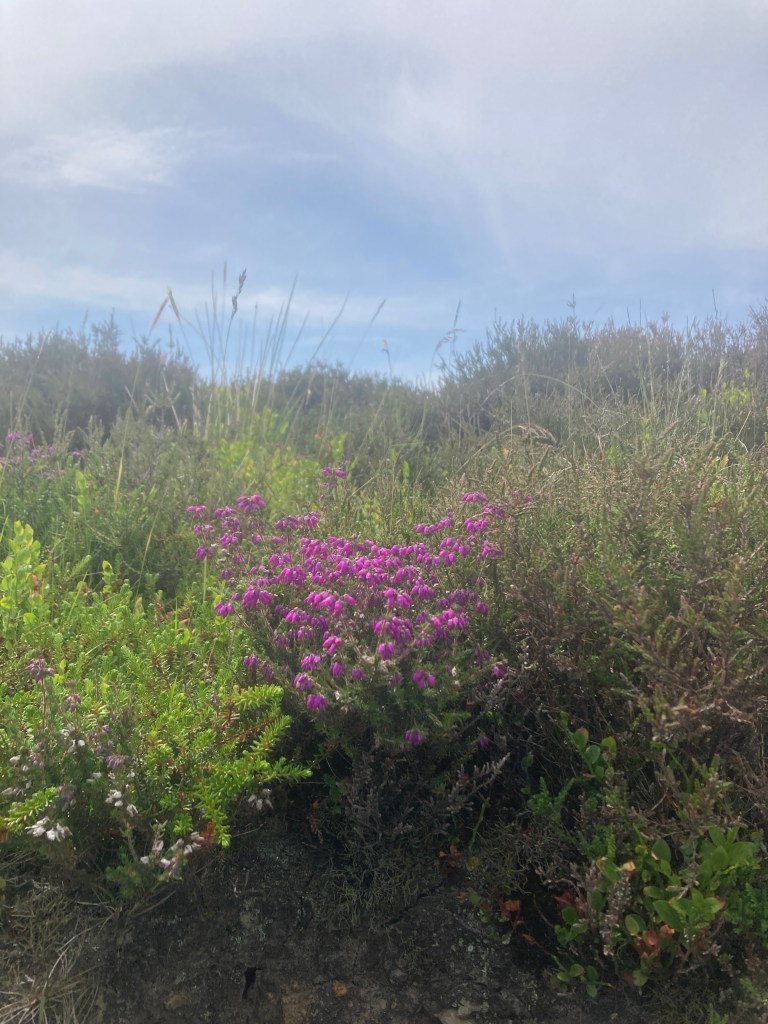
Back to the Moors. I’ve read of the moors in both fiction and non-fiction but had no idea what to expect. They are beautiful but I suspect quite nasty in foul weather. Heather blooms in August and September, but I found some accommodating over achievers.

I also found a gorgeous and delicious orange-ginger tartlet in Helmsley.
I know I said I’d had enough of churches but this is different. The pictures below are of Whitby Abbey, built in the early 13th century and also laid waste by the Dissolution of the Abbeys.

What distinguishes Whitby is far more modern. It was in Whitby that Bram Stoker was inspired to write Dracula. In the novel, Dracula comes ashore at Whitby and climbs the 199 stairs to the graveyard of St. Mary’s Church by the Abbey.
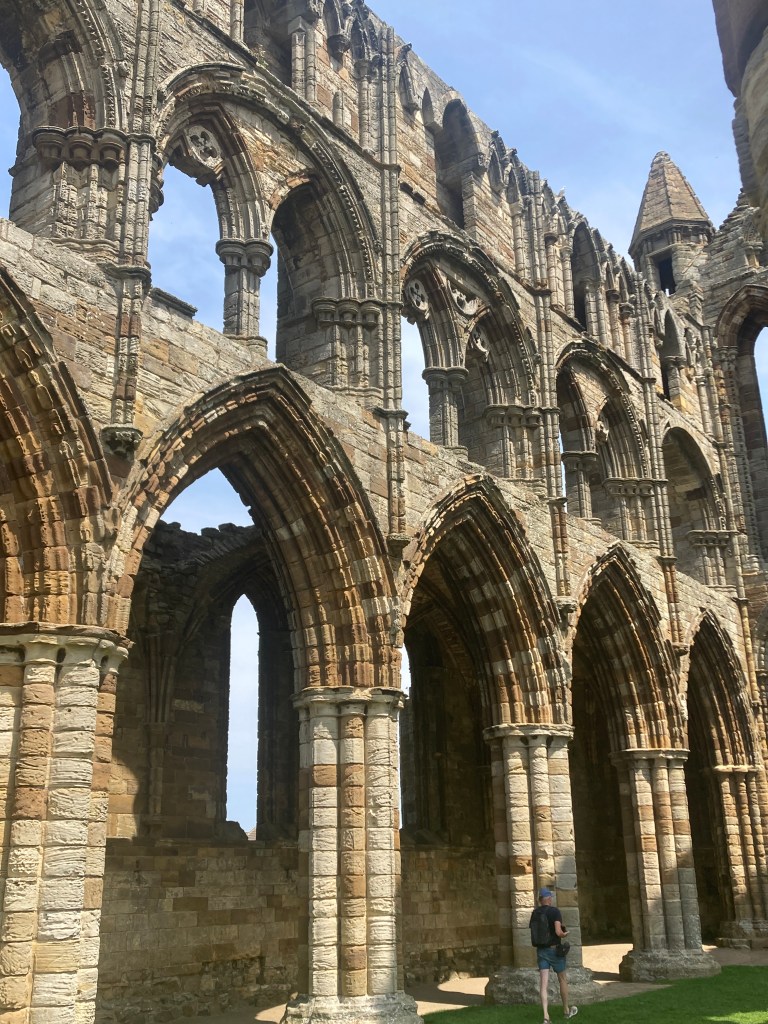
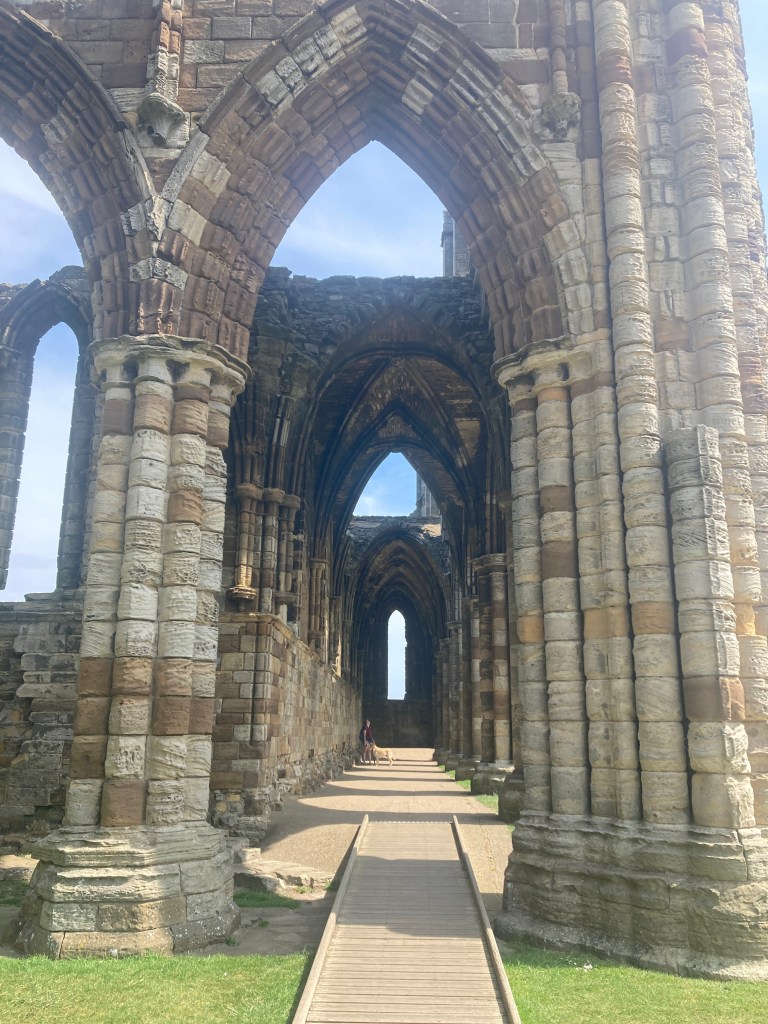
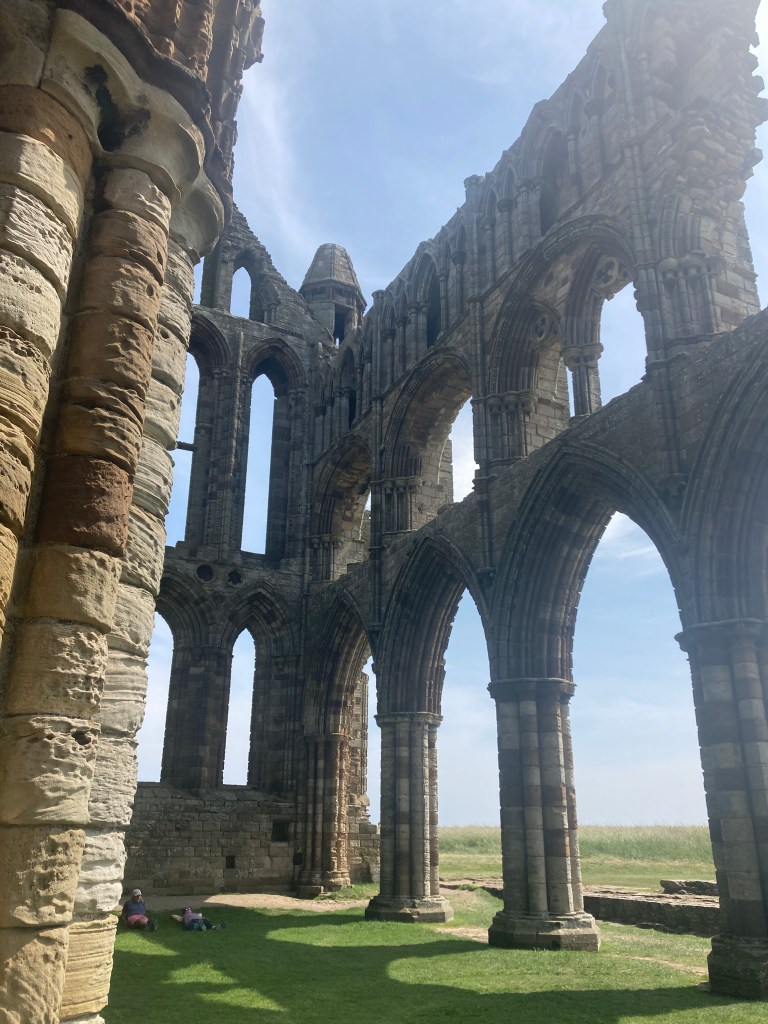
Buried at Whitby Abbey is Joscelin de Louvain (d. 1180) and 23rd g-grandfather.
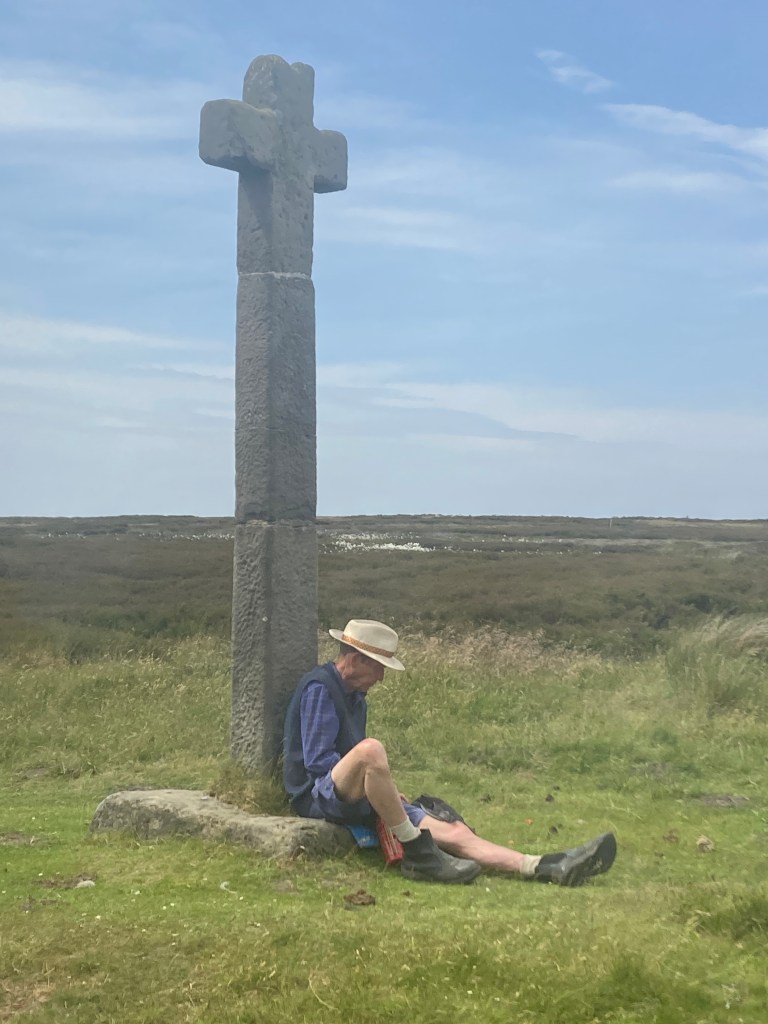
This is Young Ralph’s Cross on the Danby High Moor. The date of this particular cross is uncertain, but the base is believed to date to around 1200 and the cross is mentioned in 13th century deeds. This marks the junction of two very old Anglo-Saxon roads across the moors.
 The Journey