The Journey continues. I returned to Dublin. I’ve been here once before – on Janelle and my honeymoon in 2003. I anticipated having some “feelings” about Dublin and so purposefully chose activities different from those of the last visit.
I stayed mostly north of the River Liffey, around Four Courts. It seemed a little less tourist driven than the Temple Bar area, which I guess isn’t saying a whole lot.
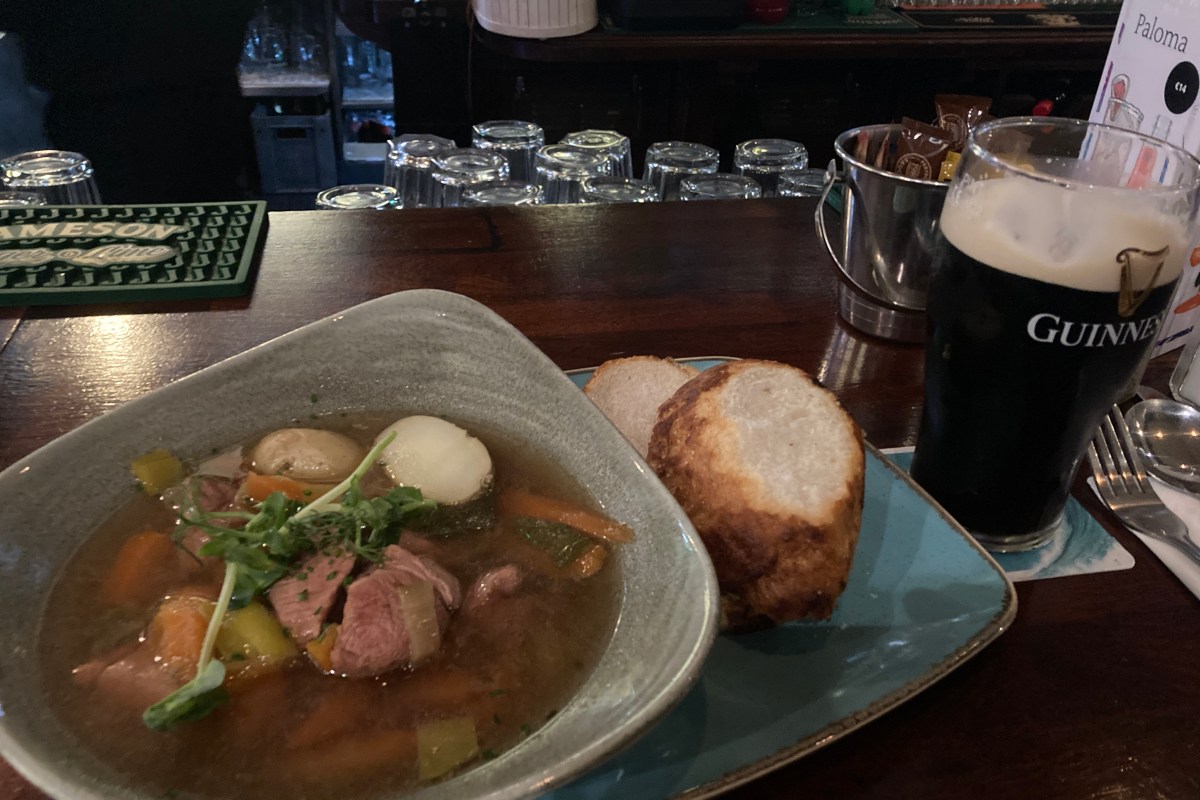
I went to the Cobblestone for music and a beverage and would recommend them for both. I would also say that there is always a line in front of Takara Ramen for a reason.

I said that I purposefully chose activities that were different from my last visit. But if my intention was to keep my mood positive, I probably should have thought a little harder. I chose to tour the Jeanie Johnston famine ship and the EPIC The Irish Emigration Museum. To be clear, both were amazing and worthwhile experiences. But much of the story is so very sad.
You can buy a ticket to both and save a little money. Both are timed entry and they have you start with the Jeanie Johnston. The ship itself is interesting, but it is the guide that provides tremendous insights. The guide for my group was Gearóid and he did an admirable job of explaining the contributing factors to the famine, the prospects for those emigrating, and the means to emigrate. He covered a tremendous amount of ground while keeping the attention of the whole group.
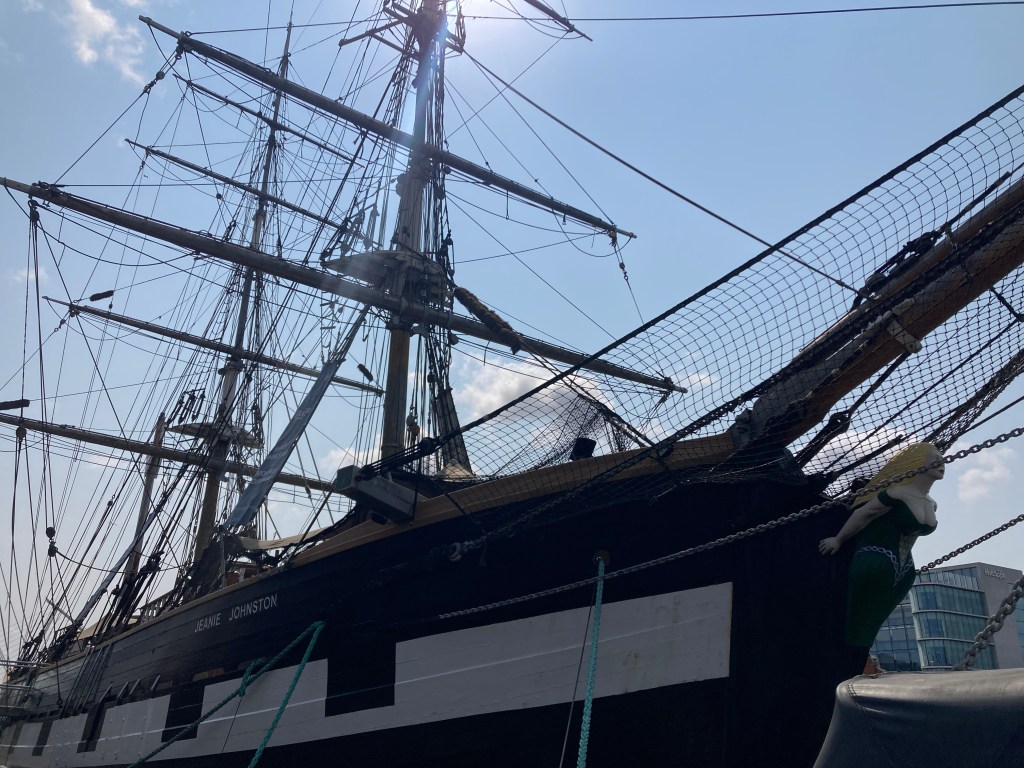
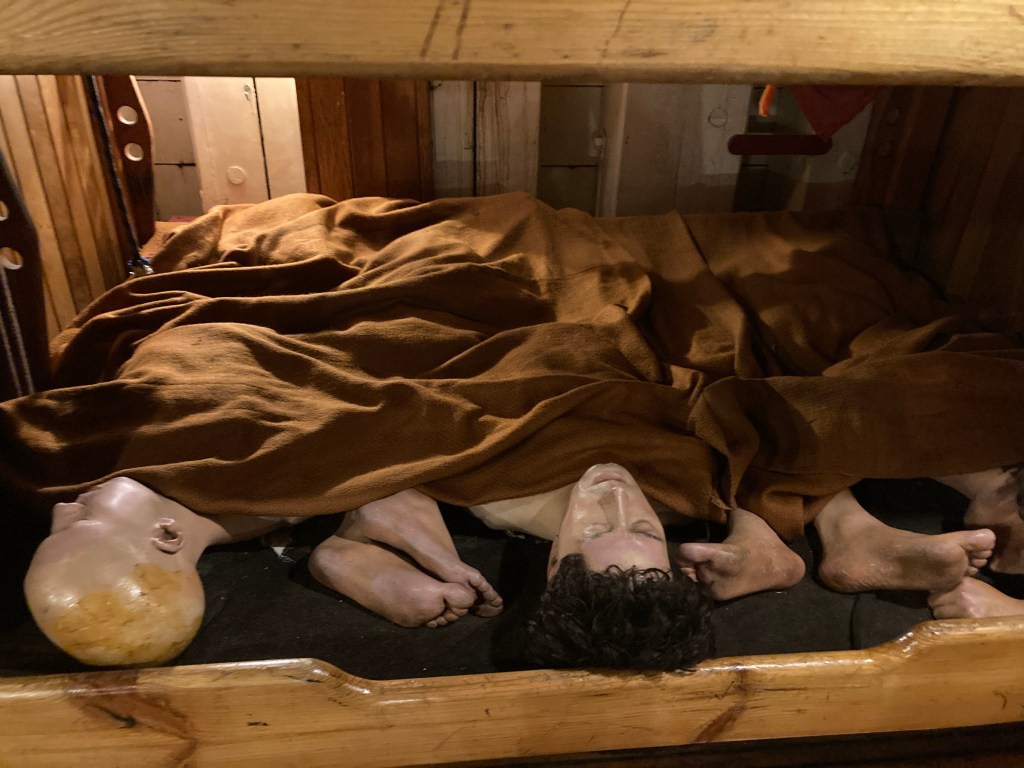
A million people died in the Famine, exacerbated by English laissez-faire policies. As many as 2 million more emigrated. Ensuing reduced birth rates and chain migration resulted in another million fewer people. Ireland went from a population of more than 8 million before the Famine, to about 4 million by the turn of the century. Gearóid shared that today Ireland is the only nation with a population smaller than it had in the 19th century.
Across the street from the Jeanie Johnston is the EPIC Irish Emigration Museum. Here one can learn of all the other times the English misused the Irish. The Famine wasn’t a one off deal. But the exhibits also tell the story of Irish spirit and cultural contributions, in Ireland, but more focused on the contributions of the Irish diaspora in diverse fields – education, science, religion, politics, and the arts. The museum helps to understand the breadth of Irish influence worldwide.
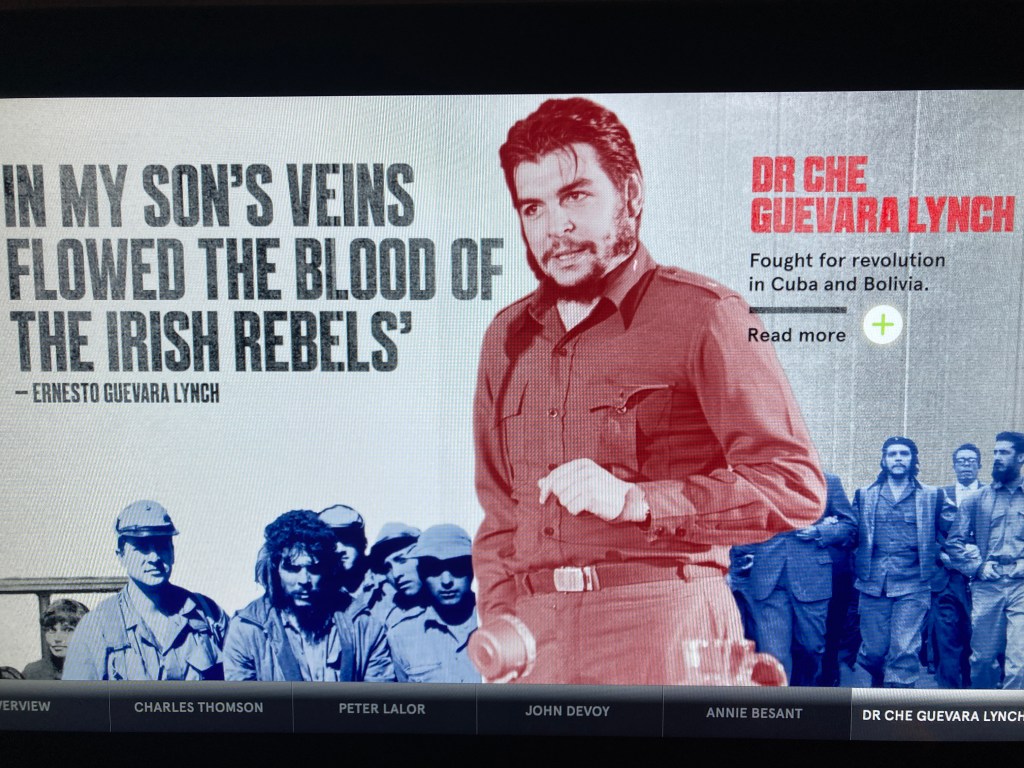
Who knew… Che Guevara was a Lynch, descendant of the Lynch’s of Galway. This and more at the Irish Emigration Museum!
 The Journey