
York is old. It also seems, by a combination of luck and intention, to have preserved a potpourri of structures from the 1st century and proceeding continuously to the present day.
York’s walls are the longest in England and their preservation can be credited to the Archbishop of York, who got pissy when the city tore down the Skeldergate postern in 1807. The Archbishop sued the city and won, effectively preventing any further demolition of the city walls.
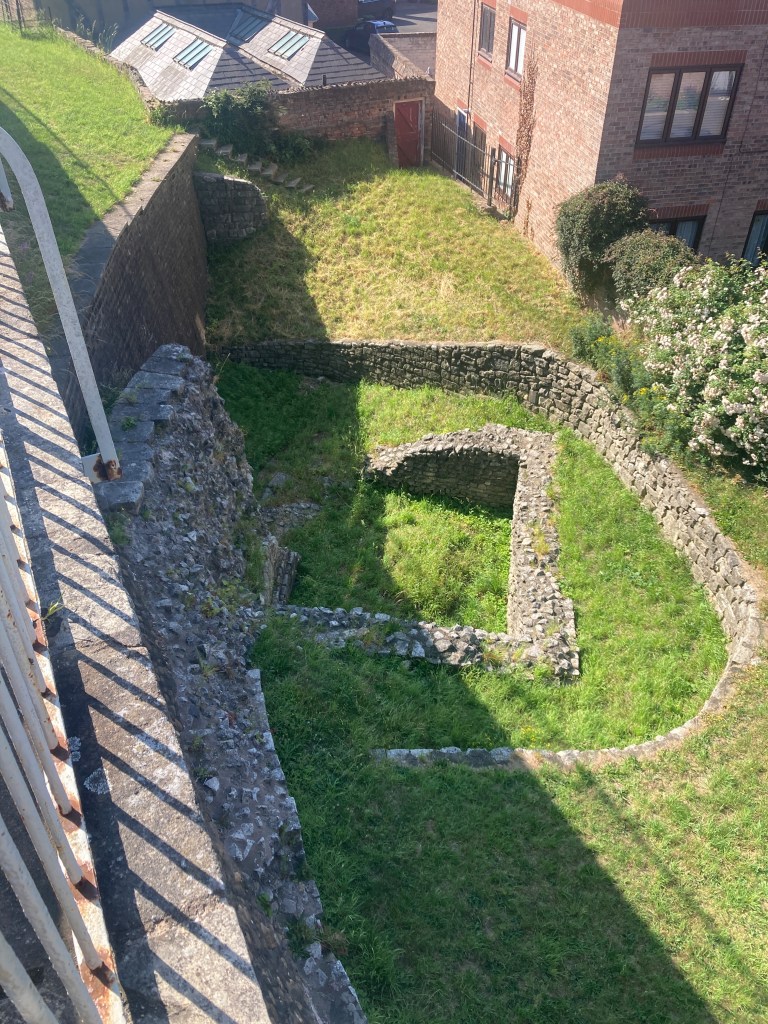
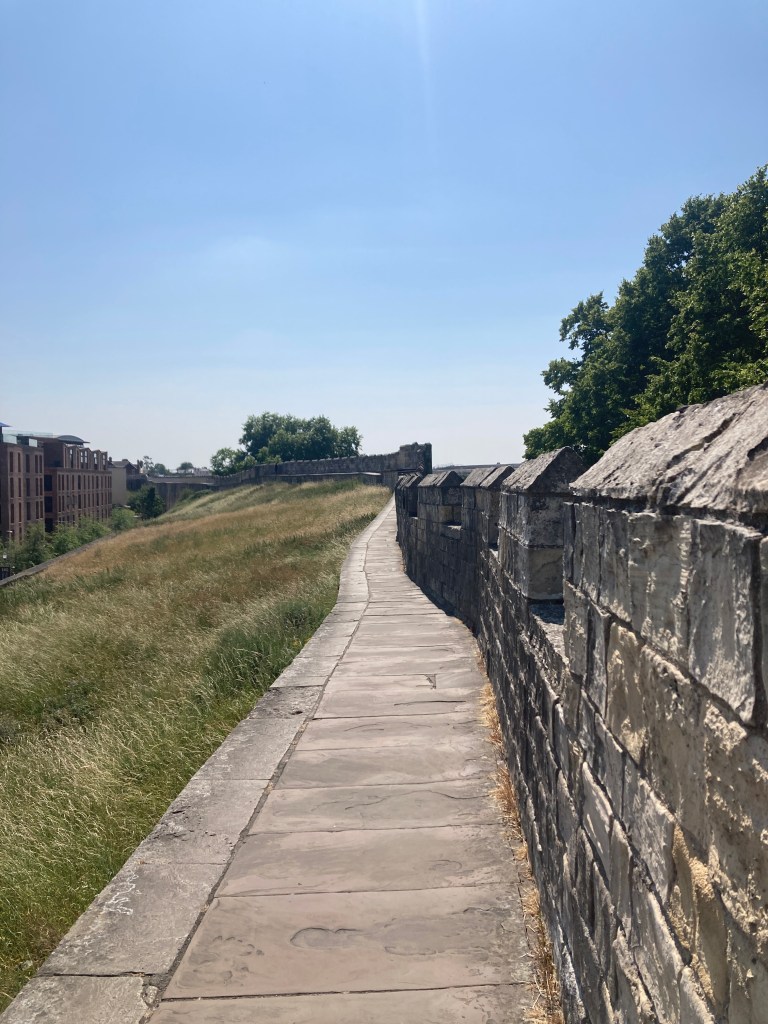
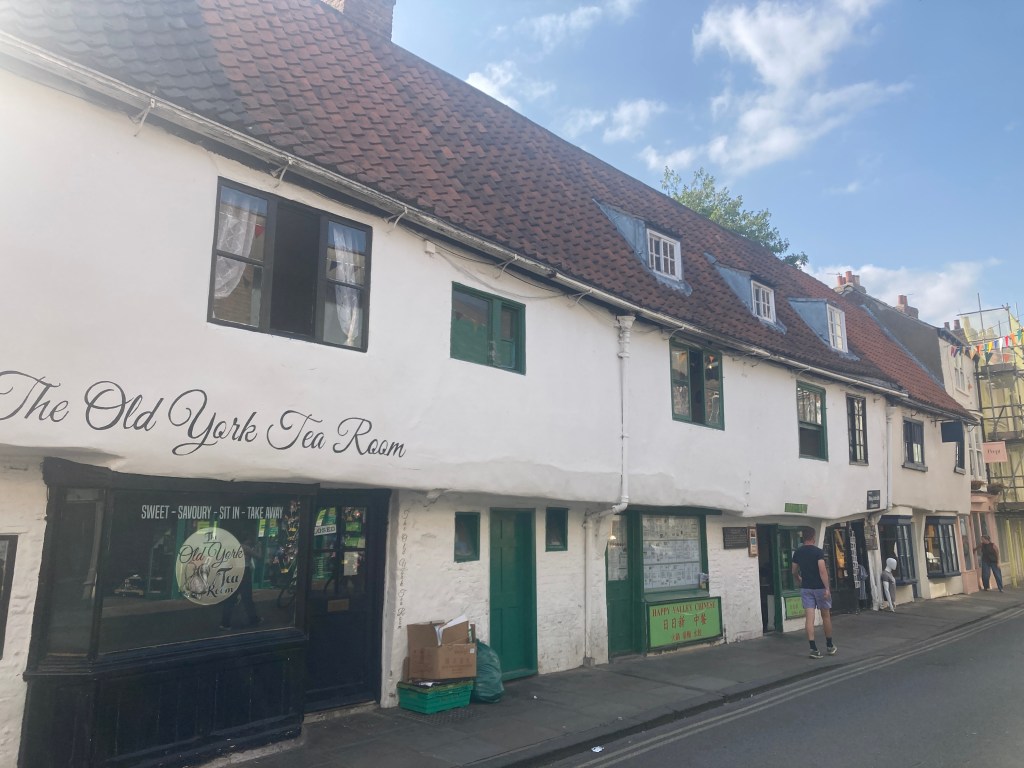
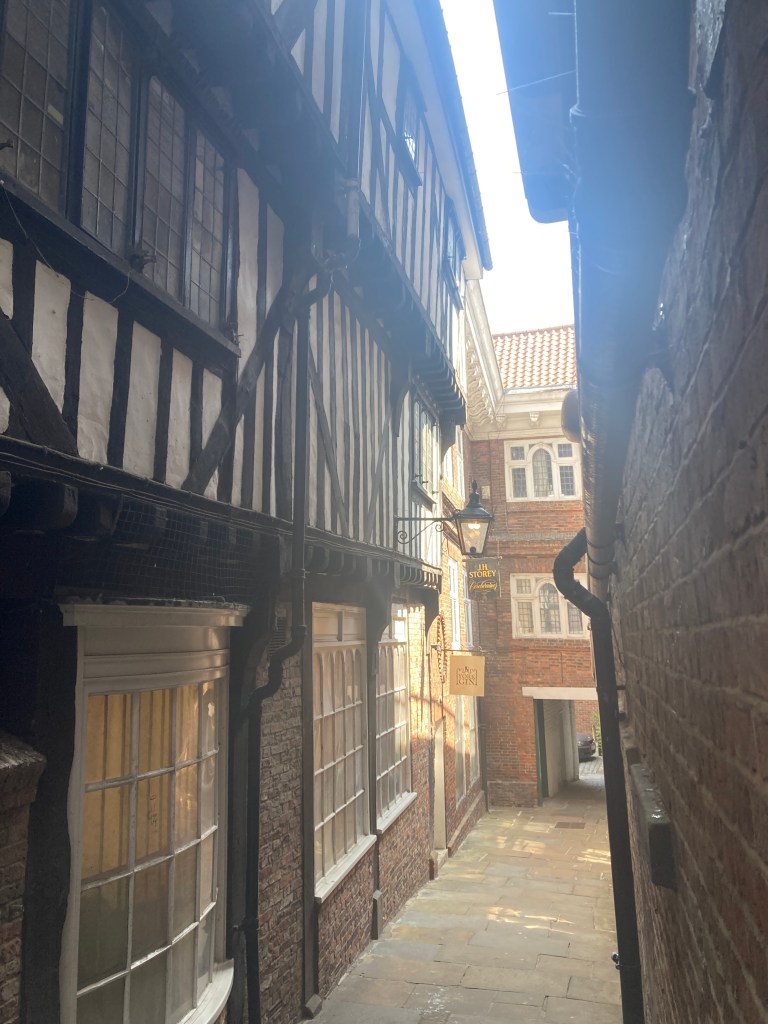
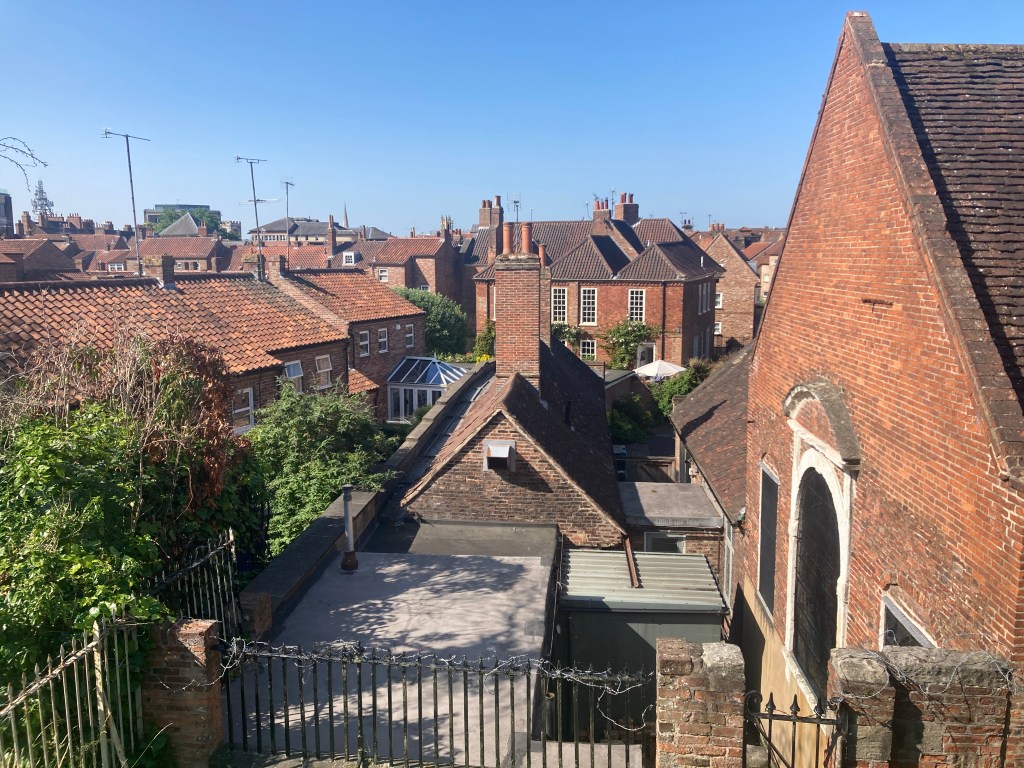
The variety of the city is best seen on foot. Below are just a few random examples of differing era buildings. There can be a large assortment of ages in a very small distance.
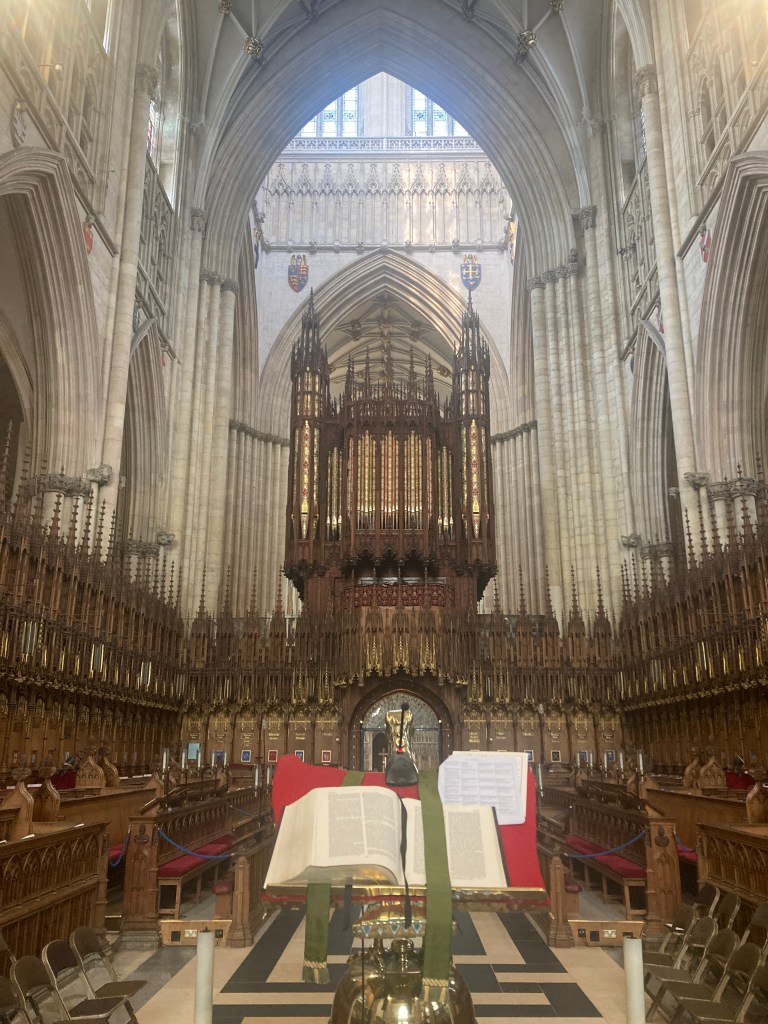
I spent four days in and around York. But I spent the largest amount of time at Yorkminster. Six hours one day, and then back on another day for 4 hours. The Minster was built between 1220 and 1472, but sits atop an earlier cathedral built in 1160. Which in turn was built on top of the Roman barracks in Eboracum built in 62 AD. There were two earlier church close by built prior to 1160, but there exact location is unknown.
You may not want to spend the ten hours that I did in Yorkminster, but I strongly recommend taking the one hour guided tour included in admission and maybe another hour just wandering around being surprised.
I took the add-on tour of Yorkminster’s crypt. This behind the scenes tour provides a chance to see evidence of the roman building and substantial portions of the 1160 footings and perimeter of the 1160 church. You can also see where massive new concrete and steel installations were made in the late 1960’s to support the central tower that was in danger of collapse. If the tower rescue is your primary interest, you don’t need to do the special crypt tour, you can see it better in the Undercroft museum which is included in admission.
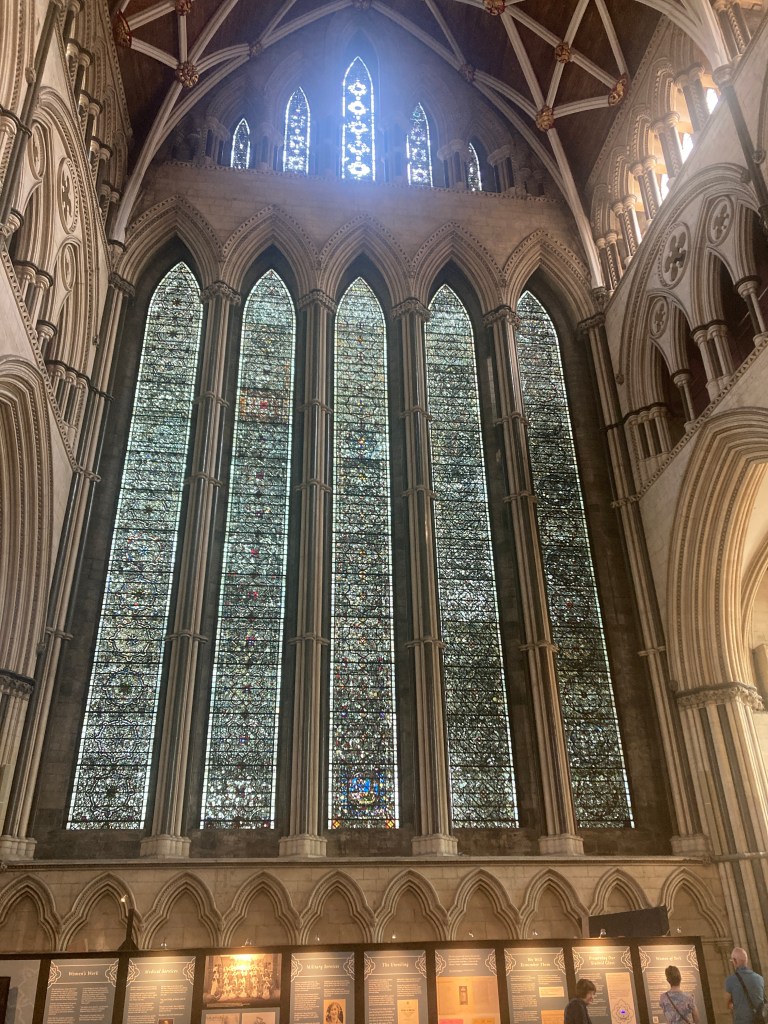
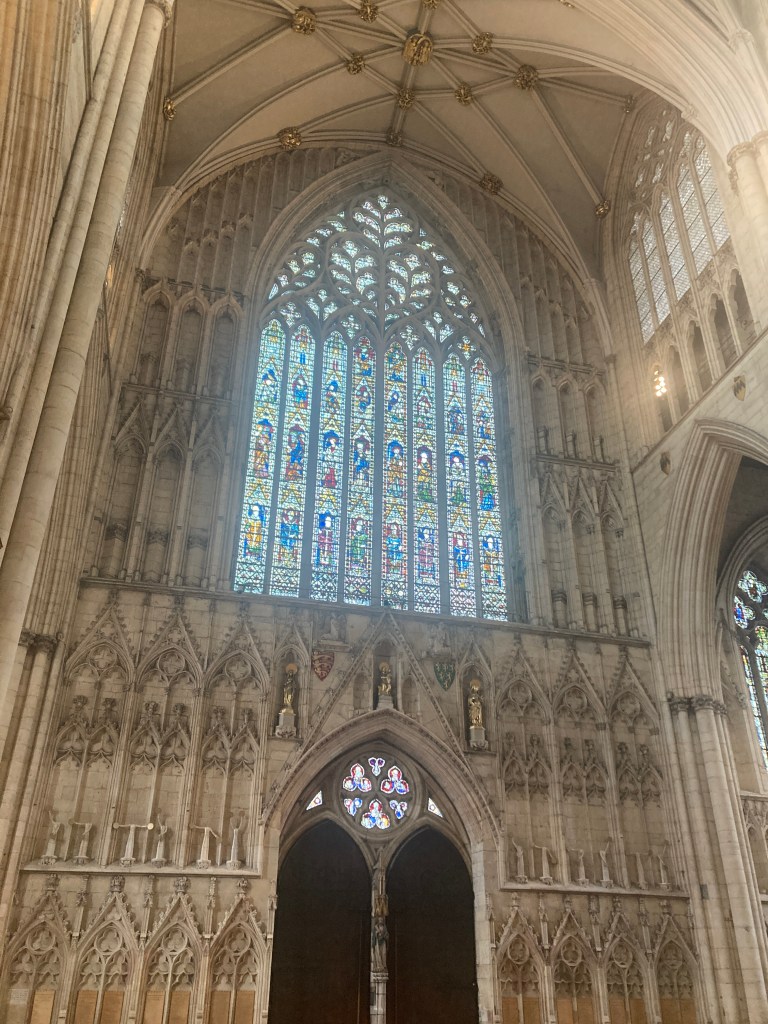
The amount of stained and painted glass is staggering, and like so much of York, spans centuries. The Five Sisters window in the north transept is the largest expanse of 13th century grisaille glass in the world, stained with a silver oxide to produce the characteristic gray colors. The Great West Window is also known as the Heart of Yorkshire and was built between 1338 and 1339. The East window (top of the page) is the largest medieval glass window in the world.
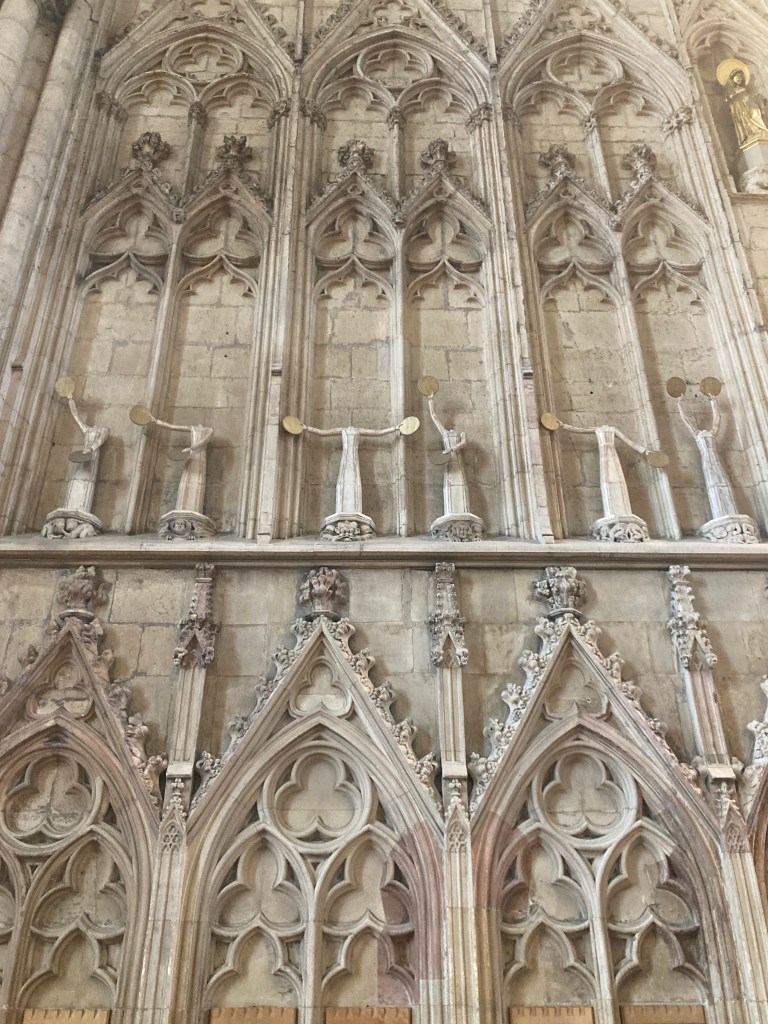
Not everything is 14th century. The Semaphore Sisters date from 2004 and are found in the west wall. They were gifted to the Minster by the artist Terry Hammill.
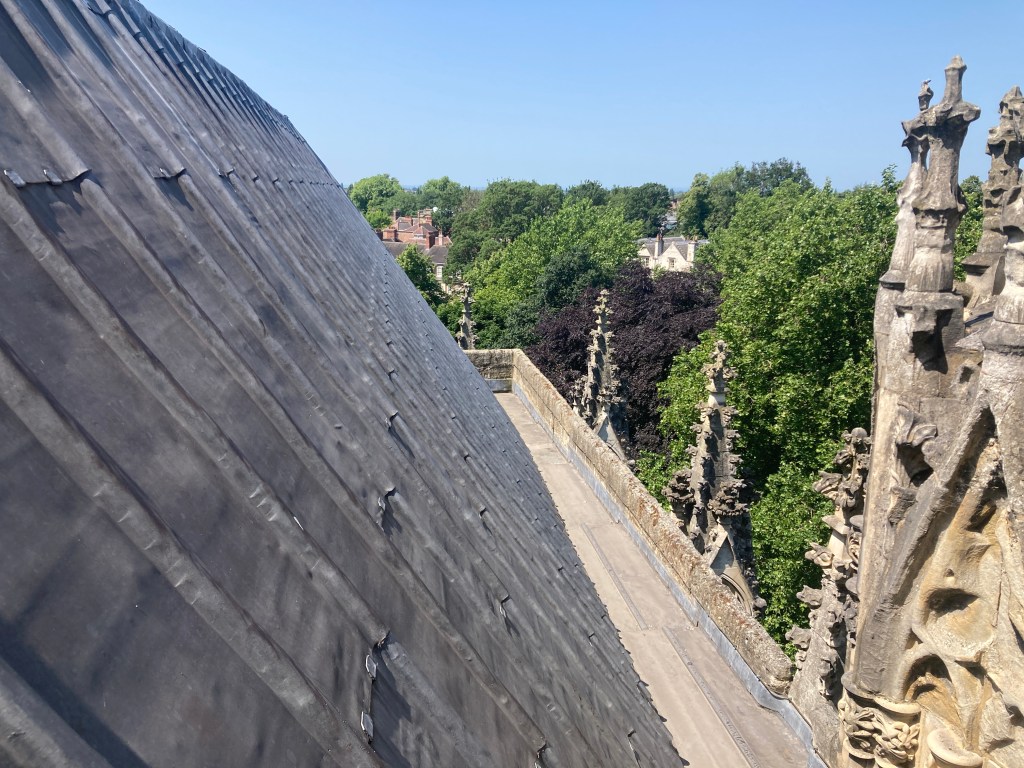
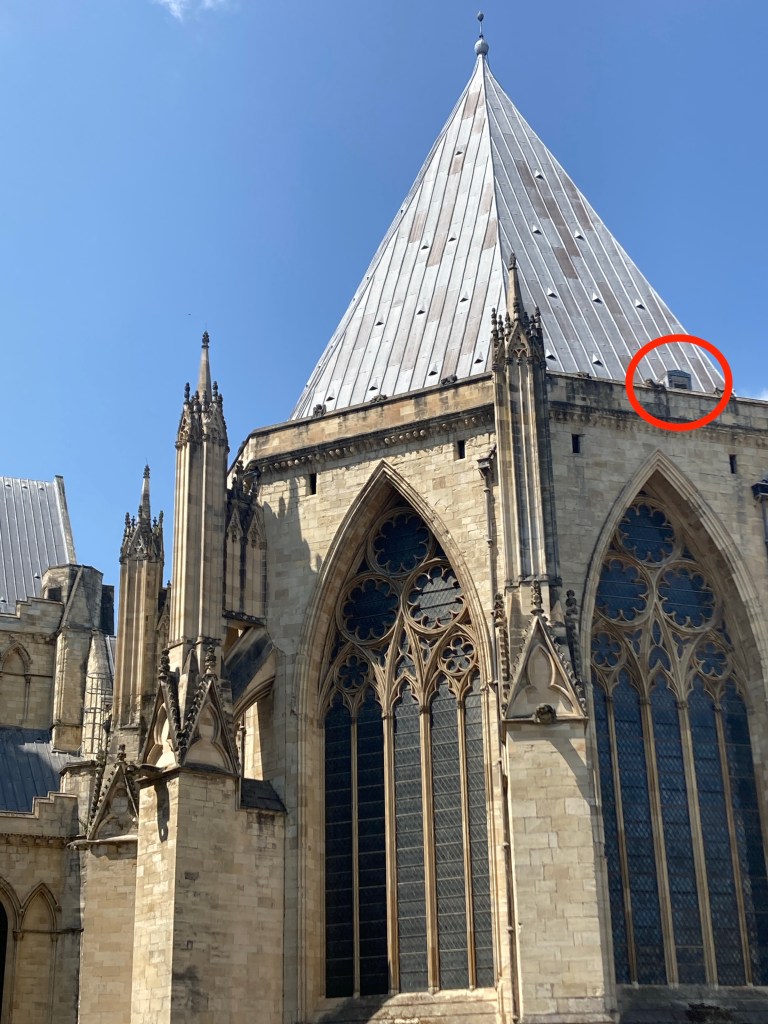
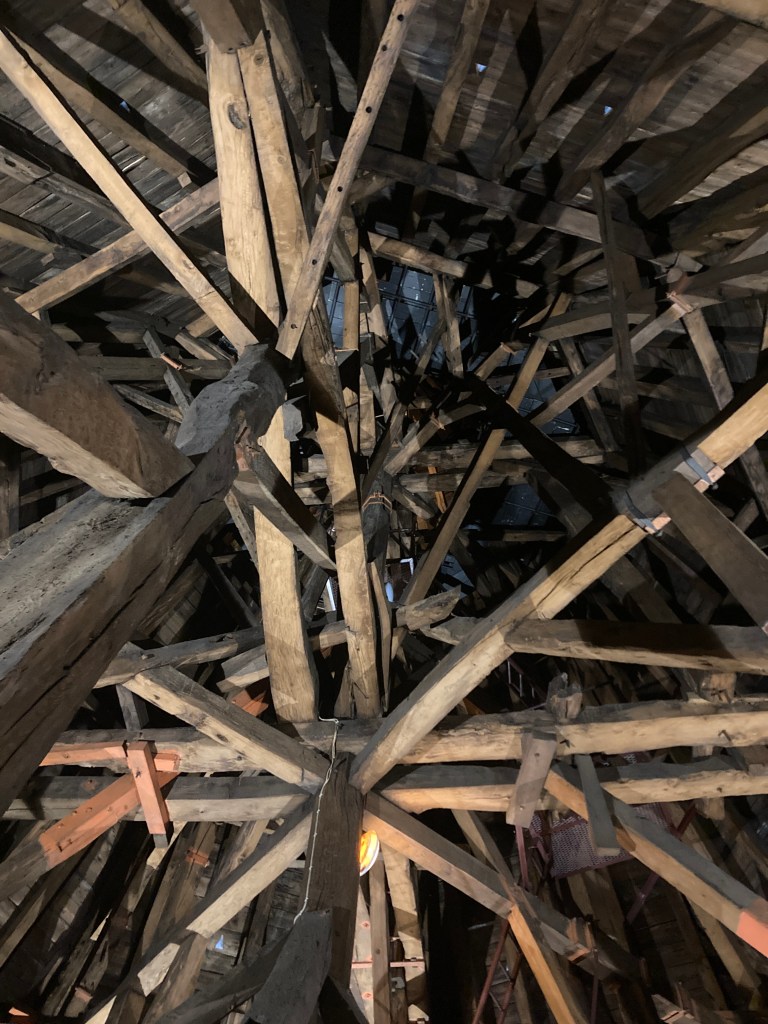
But of everything at Yorkminster, I was most affected by the Chapter House Roof Tour. The chapter house is 63 feet across and has no central support column. It is amazing engineering for the 13th century and the only design of its type in the world. The tour goes up a small spiral stair, making a stop at the Head Mason’s drafting floor to see stone work templates and how they were used to layout complete structures. One then continues up the stairs and exits unto the lead roof, walks along the gutter (there are guardrails where you walk) and re-enters the building through a small door into the roof structure.
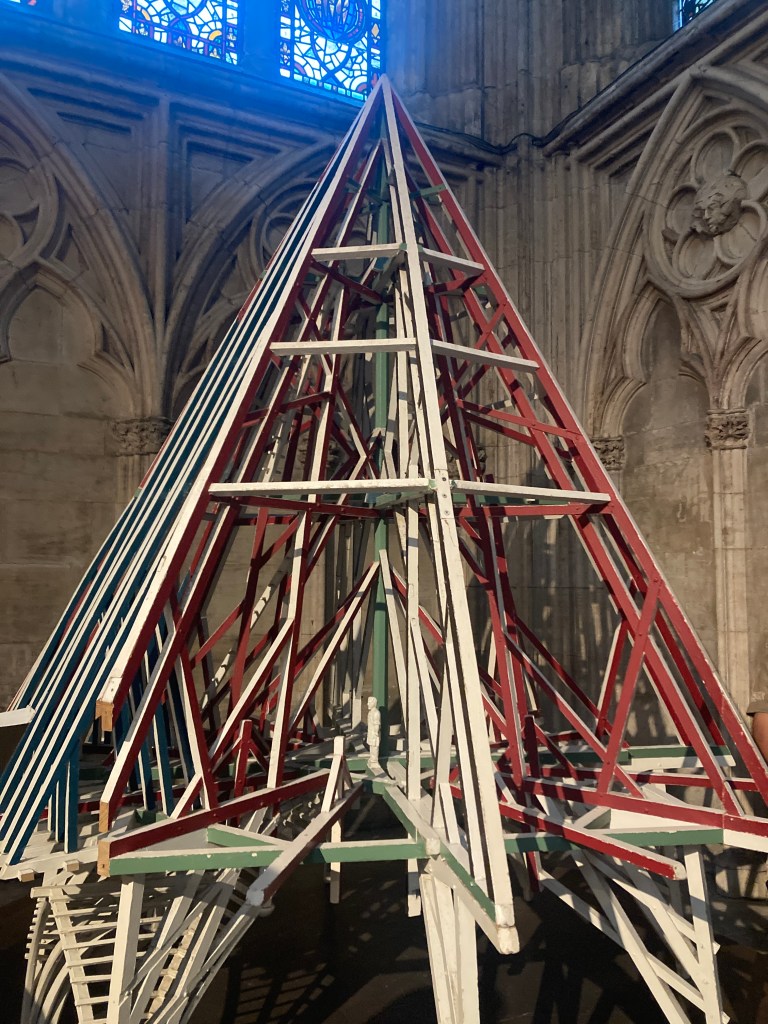
Stepping through the door, and allowing time for your eyes to adjust, this is what you see. My photo doesn’t do it justice. But the tour guides are able to put the whole thing into perspective, and describe in some detail how it all fits together.
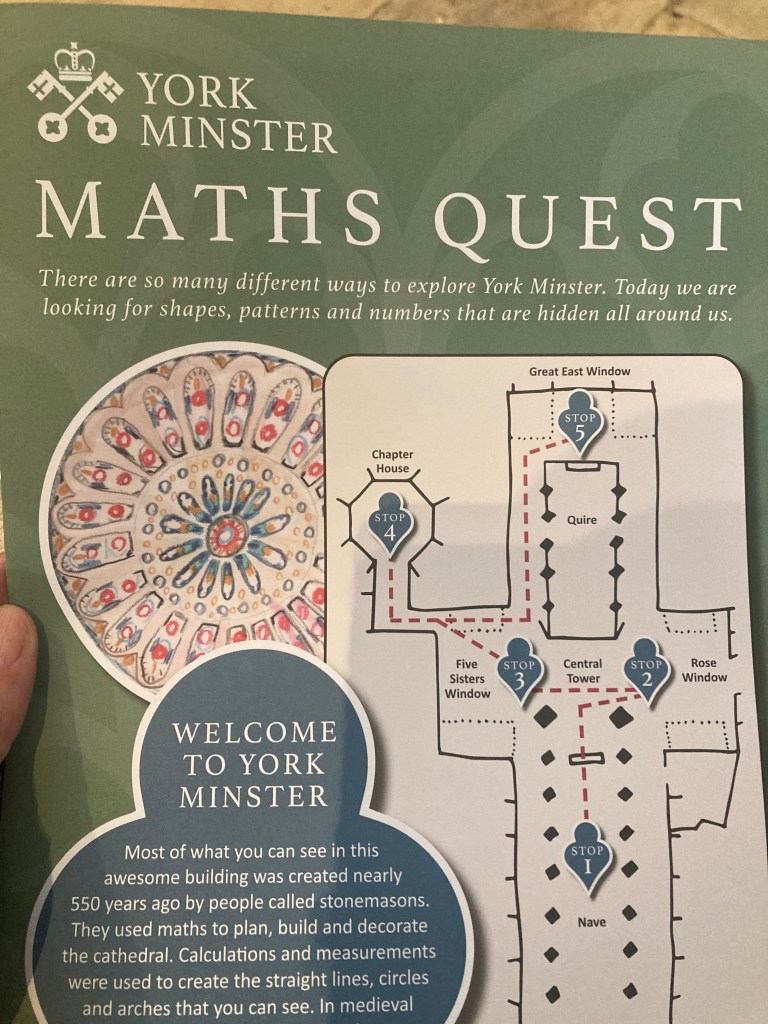
On entry, there are several different “quests” for children. The Maths quest was my favorite.
And just another cultural reference – this is the Mallard train so special to Dr. Donald Mallard on NCIS.





 The Journey