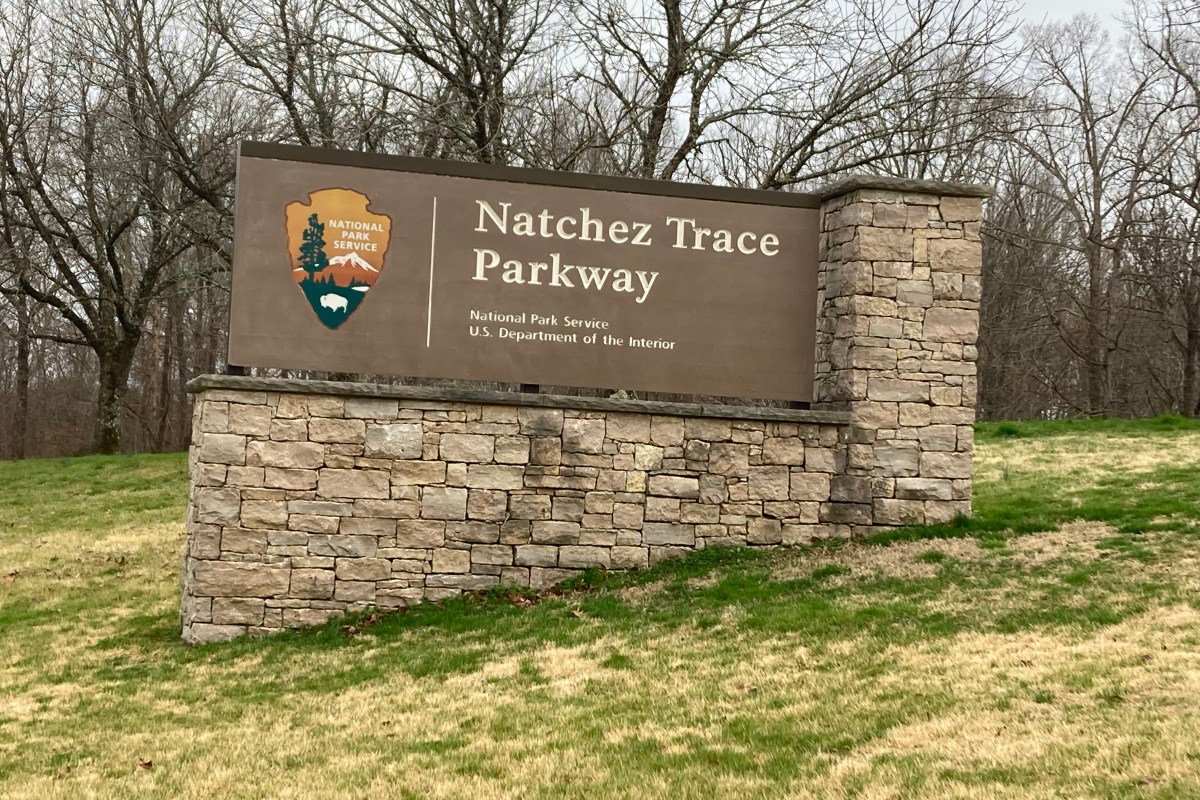
I spent two days traversing the 444 miles of the Natchez Trace Parkway. I continue to be amazed at the foresight of earlier generations to preserve so much of our country’s history. In this case, a path from the lower Mississippi River up to Nashville. Apparently it was originally created by bison in prehistory moving seasonally from the Gulf up to salt licks near Nashville. Various Native American tribes started using it several thousand years ago, and built the monument mounds found along the Trace. European settlers used the Trace when the Ohio Valley was opened for settlement, and again to move troops during the War of 1812. While today’s Trace is a paved route, there are several areas where the original Trace is preserved. The current Trace is limited access and with no sign of any development along almost its entire length. Something from a different time.
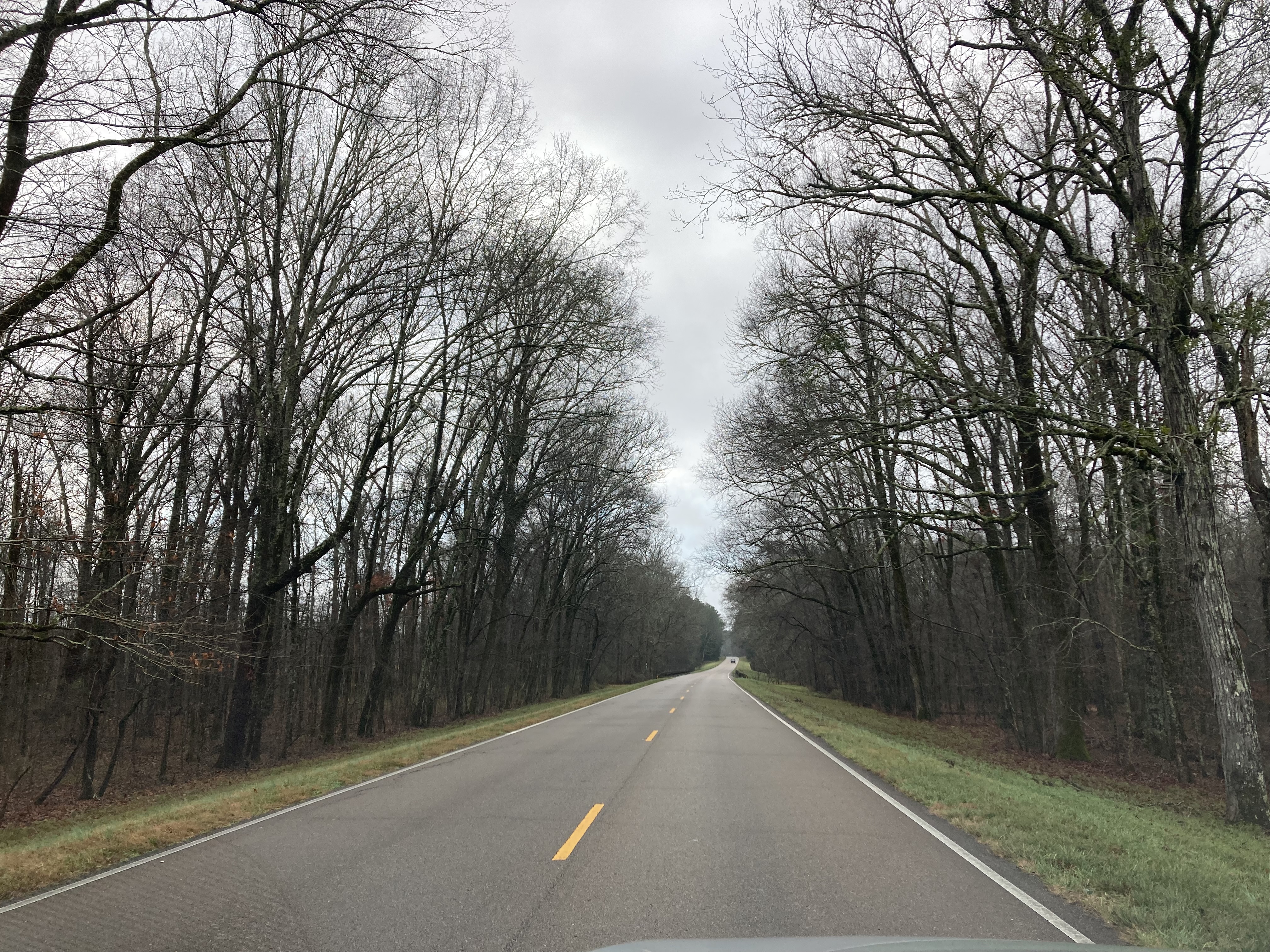
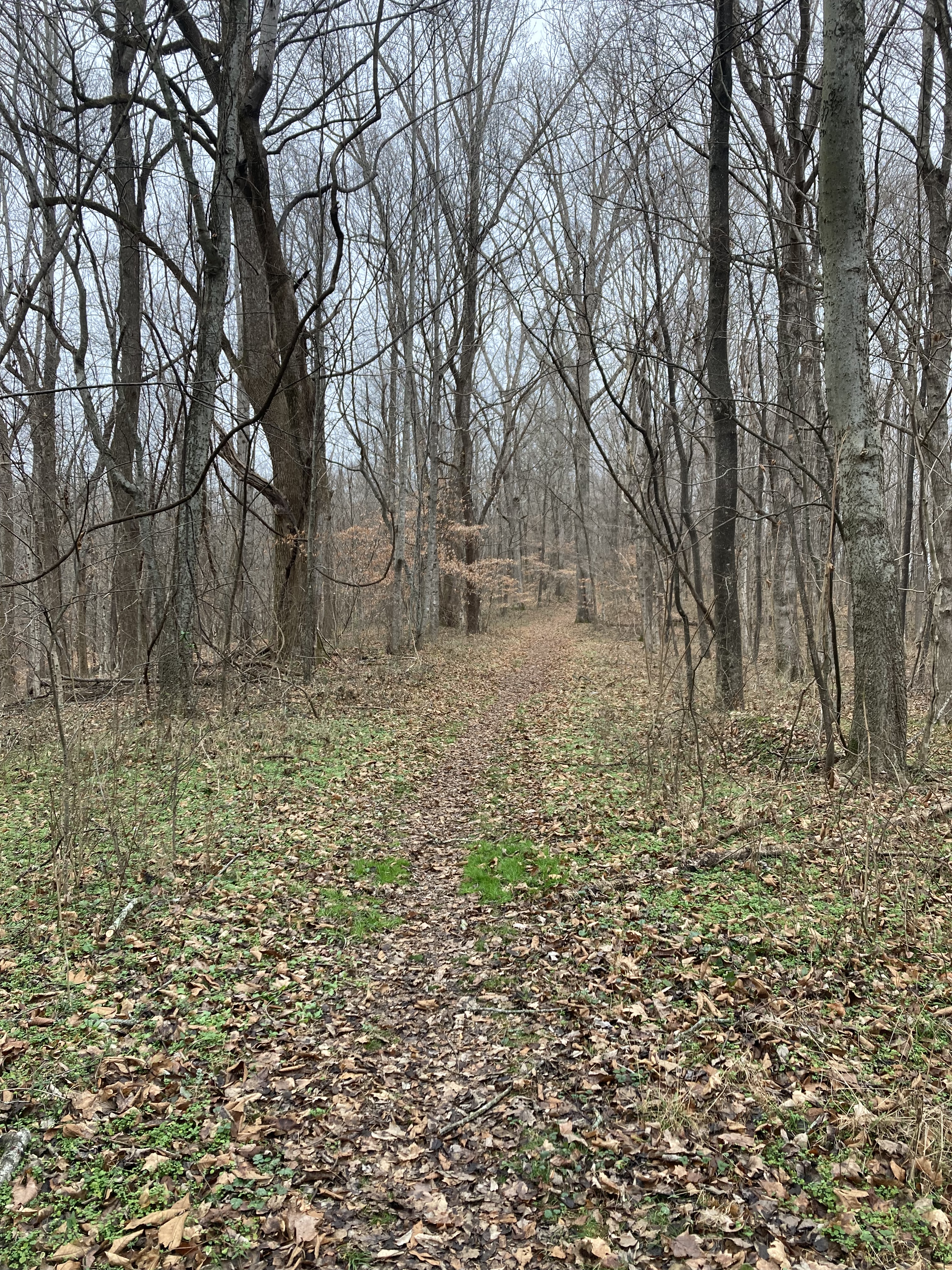
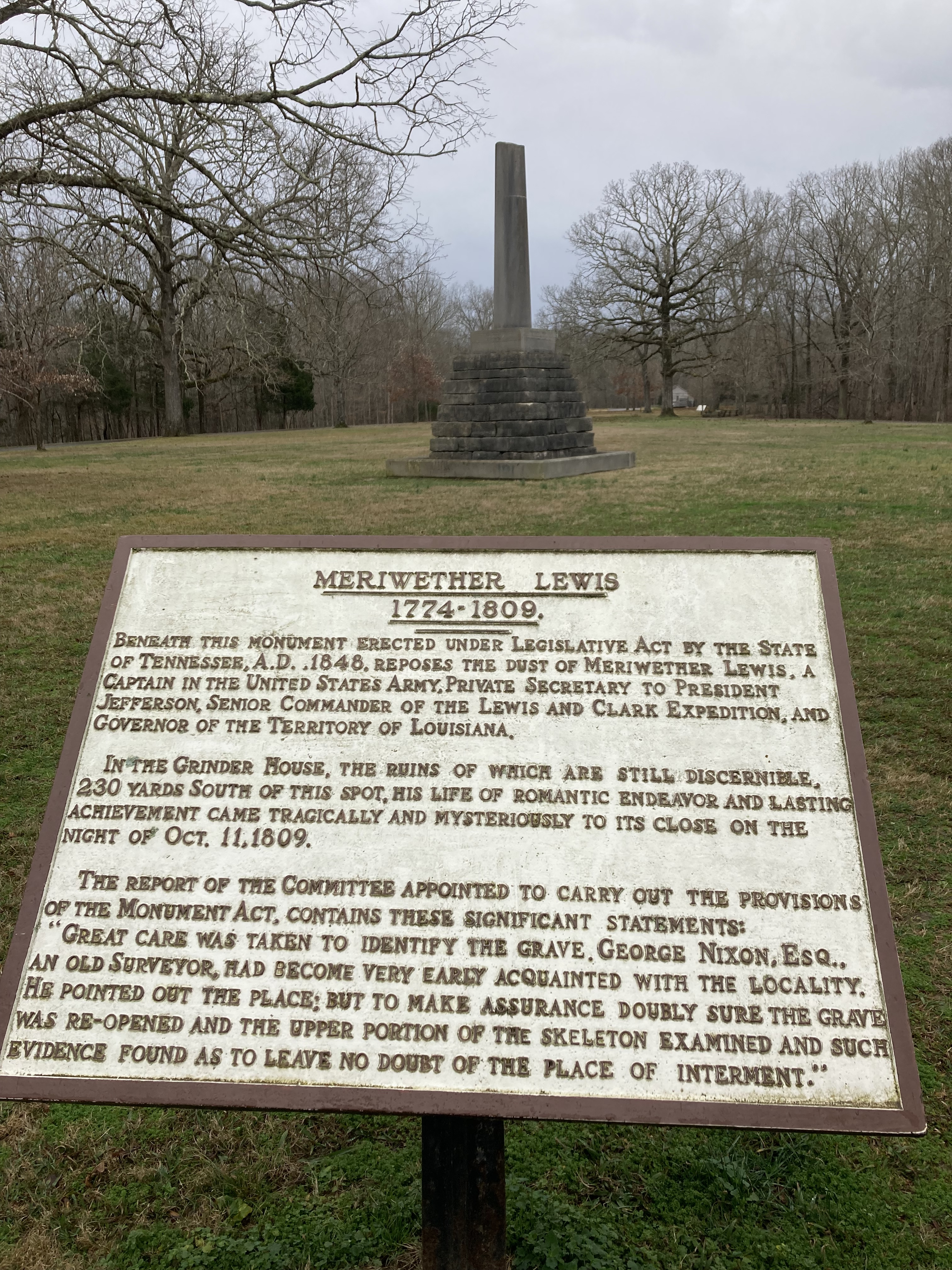
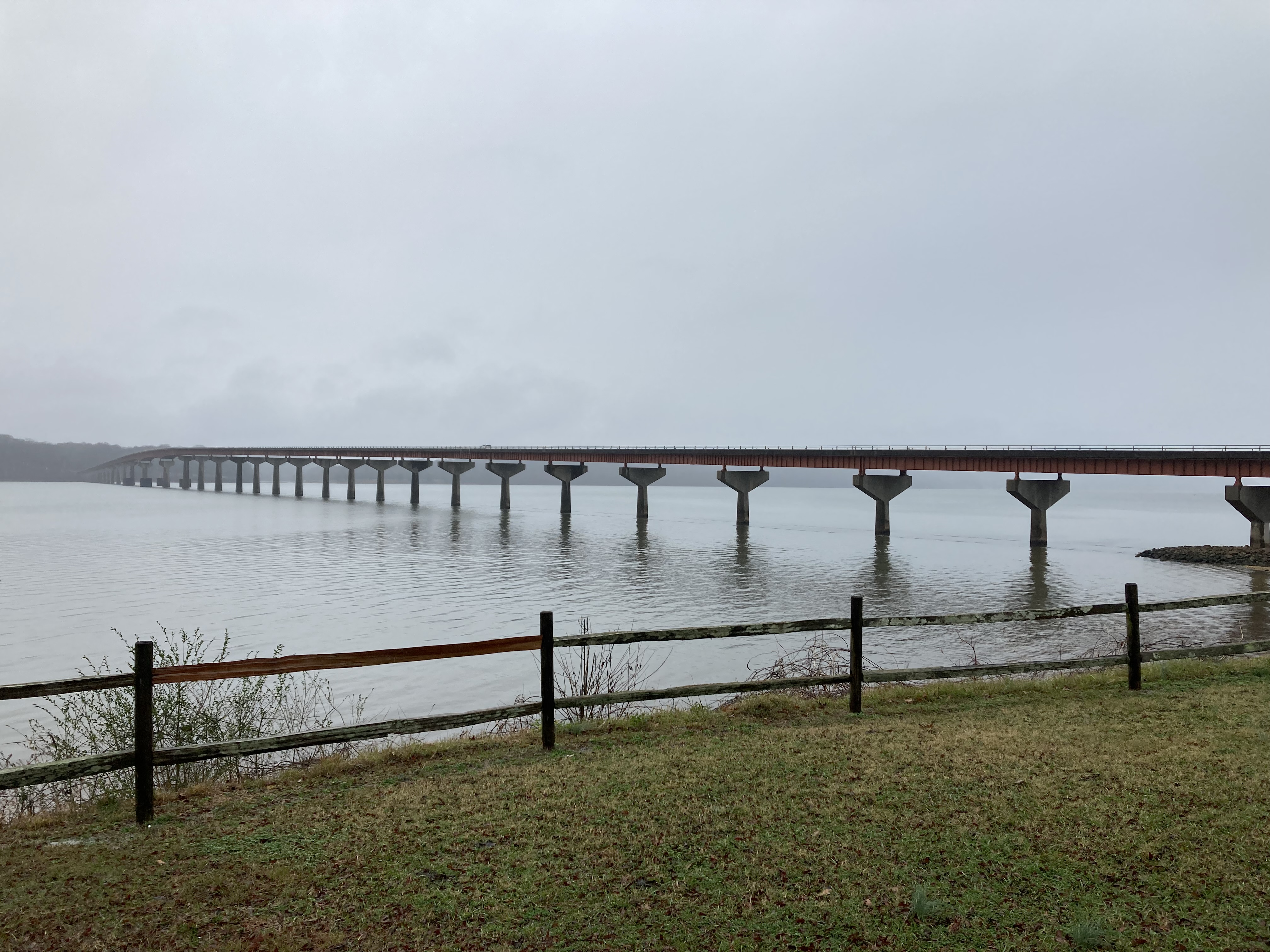
Below are sights from the north half of the Trace – the burial site of Meriwether Lewis, of Lewis and Clark fame. He apparently died a violent death at this spot and whether it was murder or suicide, is undetermined. The bridge is over the Tennessee River.
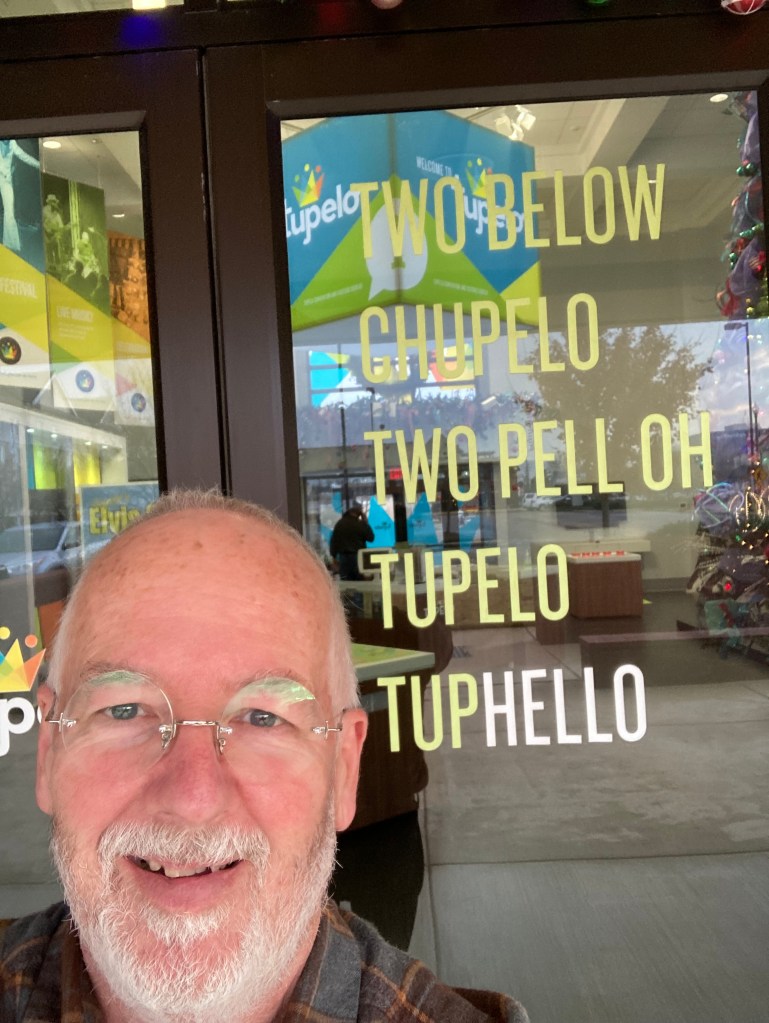
Tupelo is about half way down the Trace, and where I spent the first night. And Elvis’s birthplace.
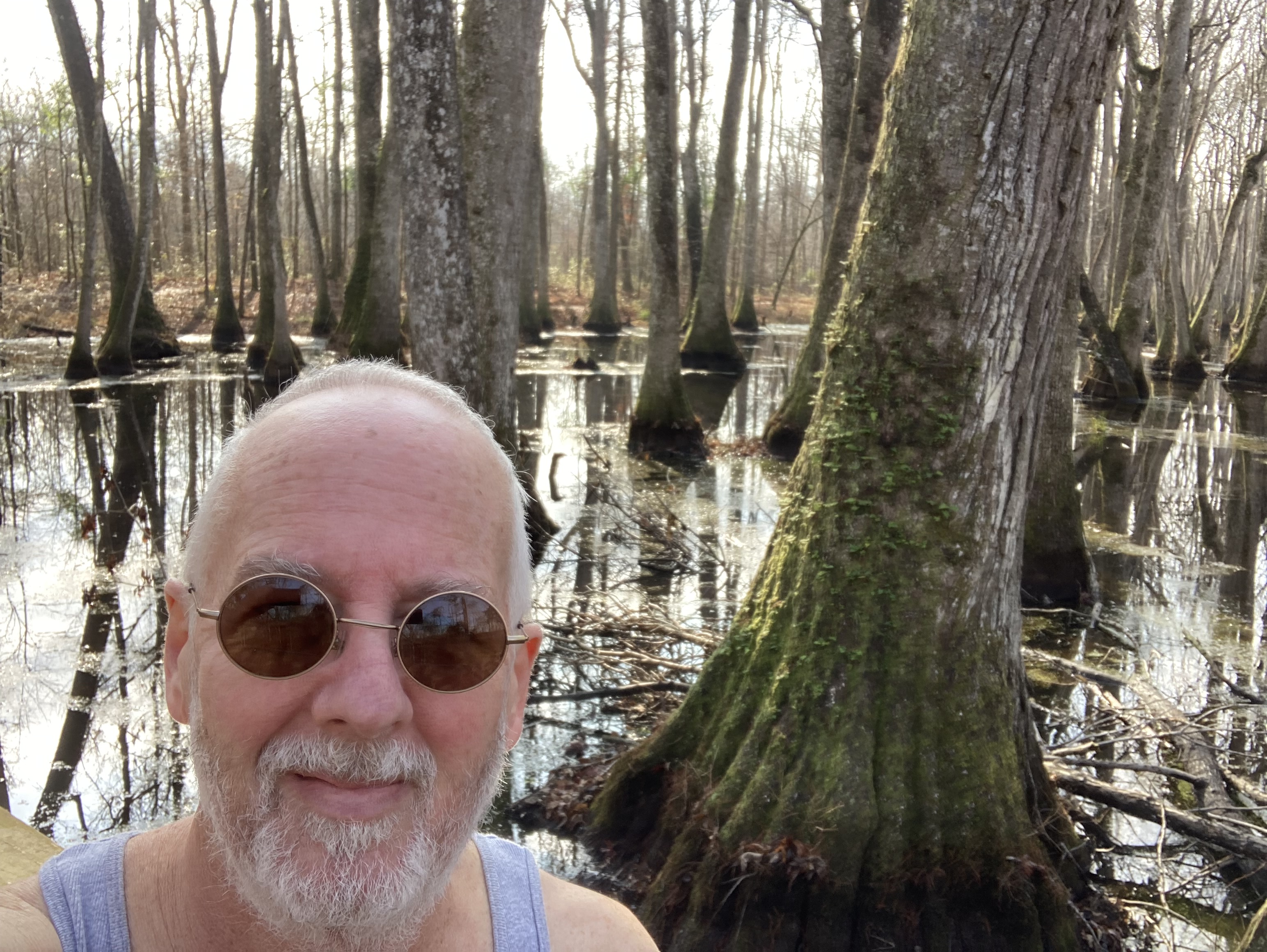
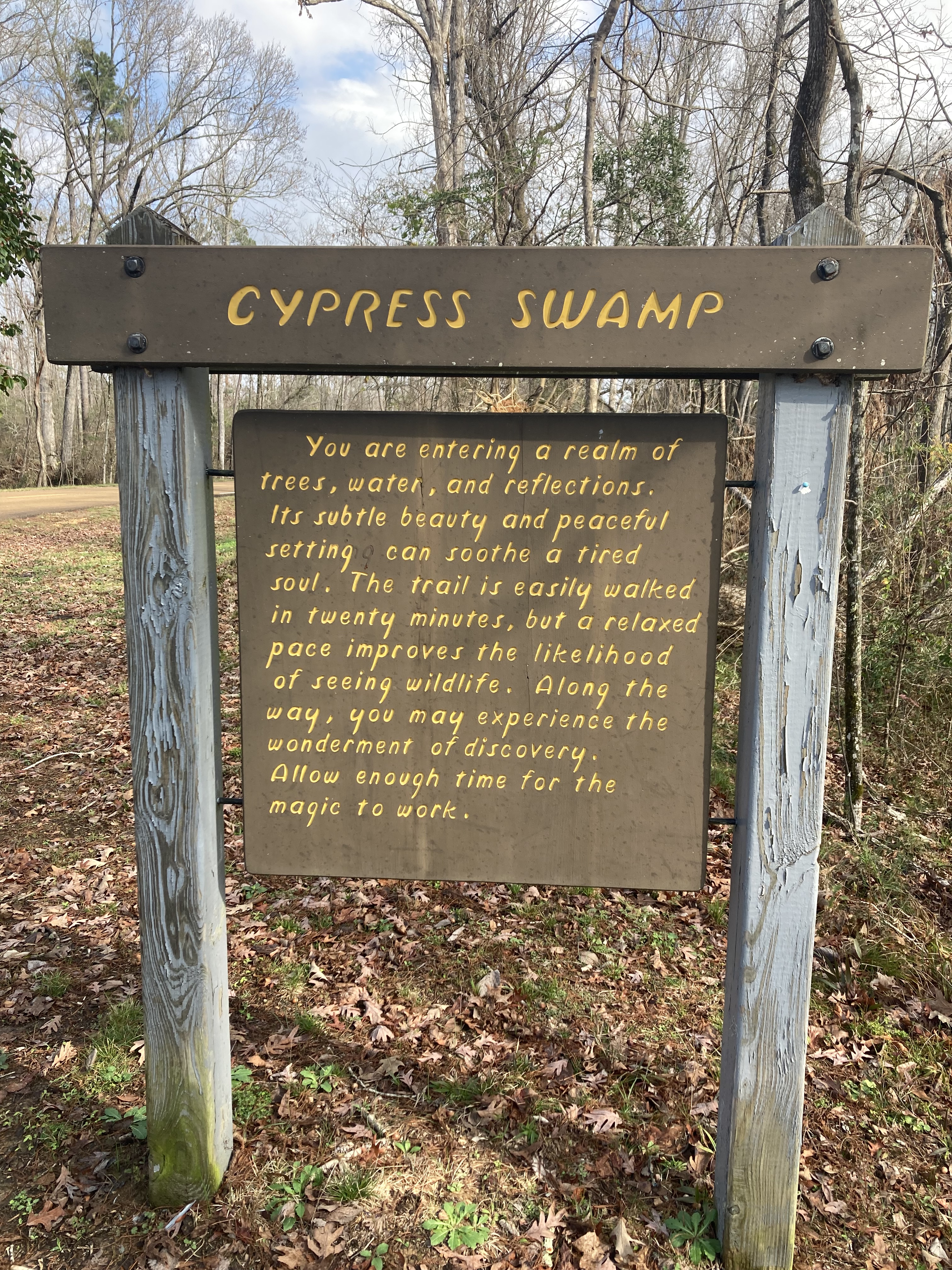
While much of the route is high and dry, plenty is not. Traveling the route in the 18th century would have been very different than it is today. The sign at the Cypress Swamp seemed crafted for me.
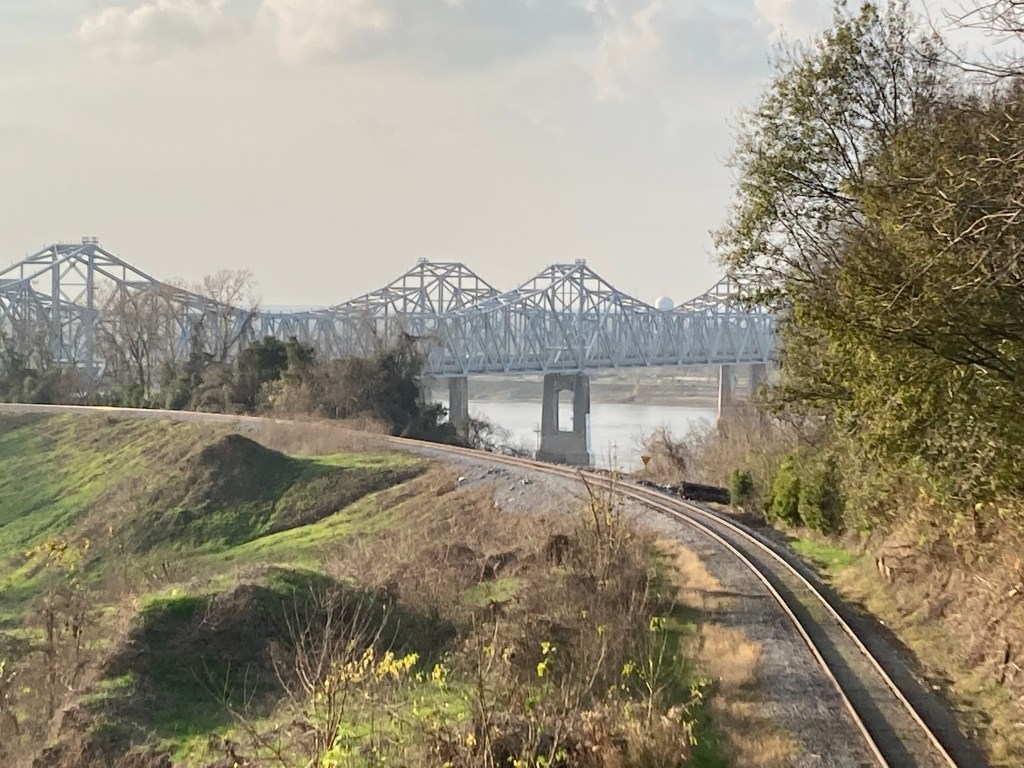
The Trace ends in Natchez, where I spent the second night, and had the pleasure of taking the Natchez-Vidalia bridge.
 The Journey